Akseki Women Bake Winter Yufka Bread Together by Imece
Neighbours in Alaçeşme bake two sacks of flour into bread for about six months.
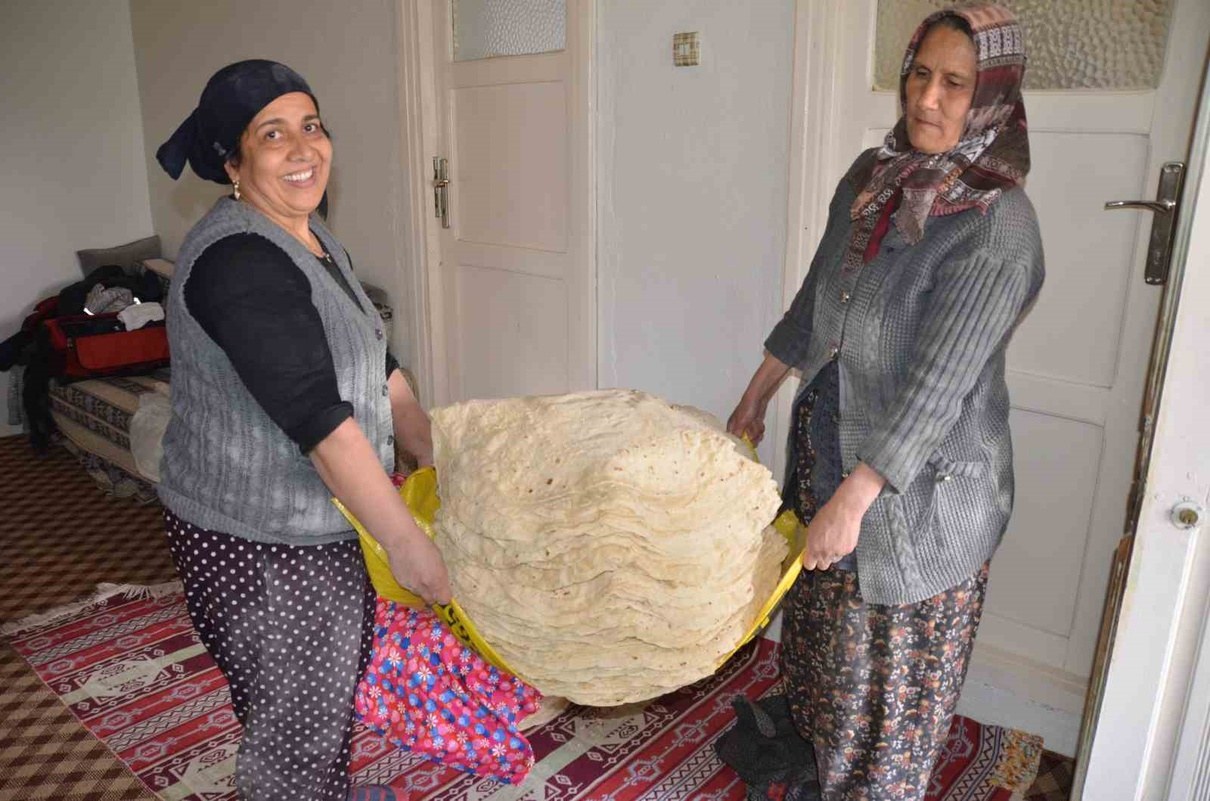
Women in the Alaçeşme neighbourhood of Akseki, in Türkiye’s Antalya province, have begun their autumn yufka bread baking. Working together in the traditional imece style, they start at 5 a.m. and turn two sacks of flour into bread meant to last about six months.
Imece is a Turkish custom of shared labour. Neighbours help each other with a big task and then take turns receiving help themselves. In Alaçeşme, the task is baking thin flatbread for the cold months.
How the Akseki yufka bread baking works
According to local reports, the women gather at first light. Some knead the dough, some shape it into small balls, and others roll it out with a rolling pin. The thin sheets are then cooked on a sac, a round metal griddle used for flatbreads in Turkish village kitchens.
Resident Türkan Balcı said the work took two days and used two sacks of flour. By her account, one sack yields roughly 400 to 500 sheets of yufka. The finished sheets are stacked and stored for winter meals.
The women also bake twice a year, according to Balcı. She said each batch lasts around six months at their tables.
Why the imece tradition still matters
The women describe the practice as a need and as a habit. Her neighbour Emine Yörük, who helped Balcı, said such work is hard without mutual help. She added that she has baked yufka since the age of six and that living costs have become more difficult.
Local coverage also notes the social side of the day. The women talk as they work, and the custom passes skills from one generation to the next. Other Turkish outlets have reported the same Alaçeşme practice, which suggests a routine that returns each season rather than a one-off event.
A food tradition worth knowing
For readers who know Turkish period dramas, this kind of scene will feel familiar. Series often show communal cooking and shared work as part of village life. Those screen images are dramatised, though, and this report concerns a present-day custom in one neighbourhood, not a historical record.
The reports give no details beyond the figures above, such as the exact number of households taking part. The numbers come from the residents’ own accounts.
Source: SonDakika
Featured image: SonDakika