Shotaro Noda: Japan’s First Known Muslim and the Ertuğrul Link
A journalist sent with Ertuğrul relief funds converted in Istanbul in 1891.
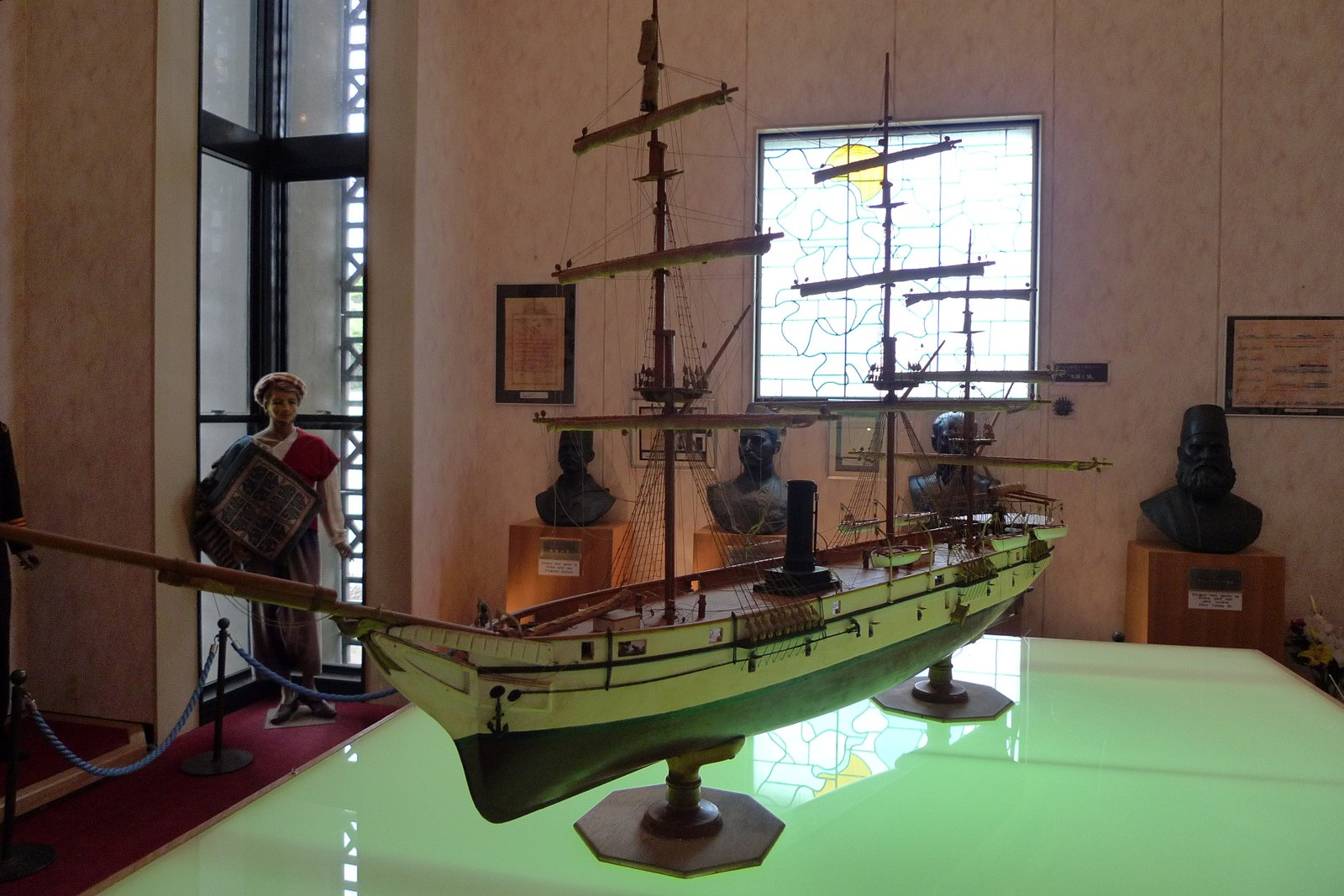
Shotaro Noda, a Japanese journalist, is regarded as the first known Japanese Muslim. According to Türkiye Today, he converted to Islam in Istanbul on 21 May 1891 and took the name Abdulhalim. His path began with a humanitarian task after the Ottoman frigate Ertuğrul sank off Japan in 1890.
The story is a lesser-known chapter of Ottoman-Japanese ties. It shows how a shipwreck led to a personal, cultural and religious exchange.
How the Ertuğrul disaster brought Noda to Istanbul
Noda was born into a samurai family in 1868 and worked for the newspaper Jiji Shinpo. Relations between Japan and the Ottoman Empire were growing during the Meiji era, especially after Prince Komatsu Akihito visited Istanbul in 1887. In response, Sultan Abdulhamid II sent a delegation on the frigate Ertuğrul in 1889.
The ship reached Yokohama in June 1890. After leaving Japan on 15 September 1890, it met severe weather, struck rocks and sank. Hundreds of Ottoman sailors died, and 69 survivors were rescued.
Japanese newspapers covered the disaster widely, and fundraising campaigns followed. Jiji Shinpo became a leading contributor, and Noda was assigned to deliver the donations. He travelled on one of two Japanese warships that took the survivors back to Istanbul. On 6 January 1891, he handed 88,497 kuruş (the Ottoman currency unit) to the relief committee.
From teacher of Japanese to Abdulhalim
Noda’s arrival drew public attention. He kept writing for his paper and gave interviews to Ottoman and European publications. When the Japanese ships prepared to leave, Abdulhamid II asked that a Japanese representative stay to teach Japanese to Ottoman officers.
Noda took the post and taught two officers and six students at the Ottoman Military Academy. In return, the officers taught him Turkish. One student, Mustafa Asim Efendi, later prepared a Turkish-Japanese-French dictionary.
During this time, Noda studied Islamic history and read religious texts. Türkiye Today reports that he converted on 21 May 1891 and that Ottoman newspapers reported the event and printed his photographs. Other accounts also describe him as thought to be the first known Japanese convert, so “first known” is the careful wording.
Later life and why the story matters
Noda also worked as an interpreter for Japanese visitors. They included Kiyoura Keigo, who later became Japan’s prime minister, and the businessman Yamada Torajiro, who wanted to build trade ties. Noda left Istanbul toward the end of 1892 and returned to Tokyo through Europe and the United States.
On 5 February 1893 he wrote to Abdulhamid II to thank him for the Turkish-language education he had received. He went back to journalism and died on 27 April 1904, aged 35.
For readers of Ottoman history, the story shows that contact between the two empires went beyond diplomacy. It involved language teaching, translation and personal change. Viewers who enjoy period dramas set in the late Ottoman era can see this background in series such as Payitaht: Abdülhamid, which is set in the reign of the same sultan. A drama is not a historical record, though, and Noda’s story rests on documents and archive material, not on screen fiction.
Source: Türkiye Today
Featured image: Motokoka / Wikimedia Commons, CC BY-SA 4.0