Tavşanlı Höyük Dig Finds 4,000-Year-Old Dog Paw Prints
Prints on Bronze Age mudbrick from a burned building were found in Kütahya.
Archaeologists at Tavşanlı Höyük in Kütahya, western Türkiye, have found dog paw prints that are about 4,000 years old. The prints survive on a mudbrick from the rubble of a Bronze Age building that burned and collapsed. The find offers a rare, small glimpse of daily life at one of western Anatolia’s major Bronze Age settlements.
The excavation has run since 2021 under Prof. Dr. Erkan Fidan of Bilecik Şeyh Edebali University. Turkish media reported the discovery in late October 2026.
What the Tavşanlı Höyük paw prints show
The prints were pressed into mudbrick (kerpiç in Turkish), a common building material made from clay and dried without firing. According to the reports, the brick came from the debris of a structure destroyed by fire in the Bronze Age.
Excavation officials said the marks preserved “a small moment of everyday life” from 4,000 years ago. In practical terms, a dog apparently walked over the brick while it was still soft. The surface then hardened and kept the impression.
Some Turkish outlets say the Culture and Tourism Minister, Mehmet Nuri Ersoy, announced the find. The reports differ slightly in wording, but they agree on the main facts. The sources do not say which breed the dog was, and neither does this article.
Why a dog’s footprint matters to archaeologists
Most finds from ancient settlements come from walls, tools or pottery. Paw prints are different because they record a living animal in a single moment. They show that dogs moved around the places where people made and used building materials.
Such traces help researchers understand the setting of ordinary life, not only its architecture. They sit alongside the evidence of the settlement’s size and structure that the dig has been studying since 2021.
A Bronze Age city seen from above as a heart
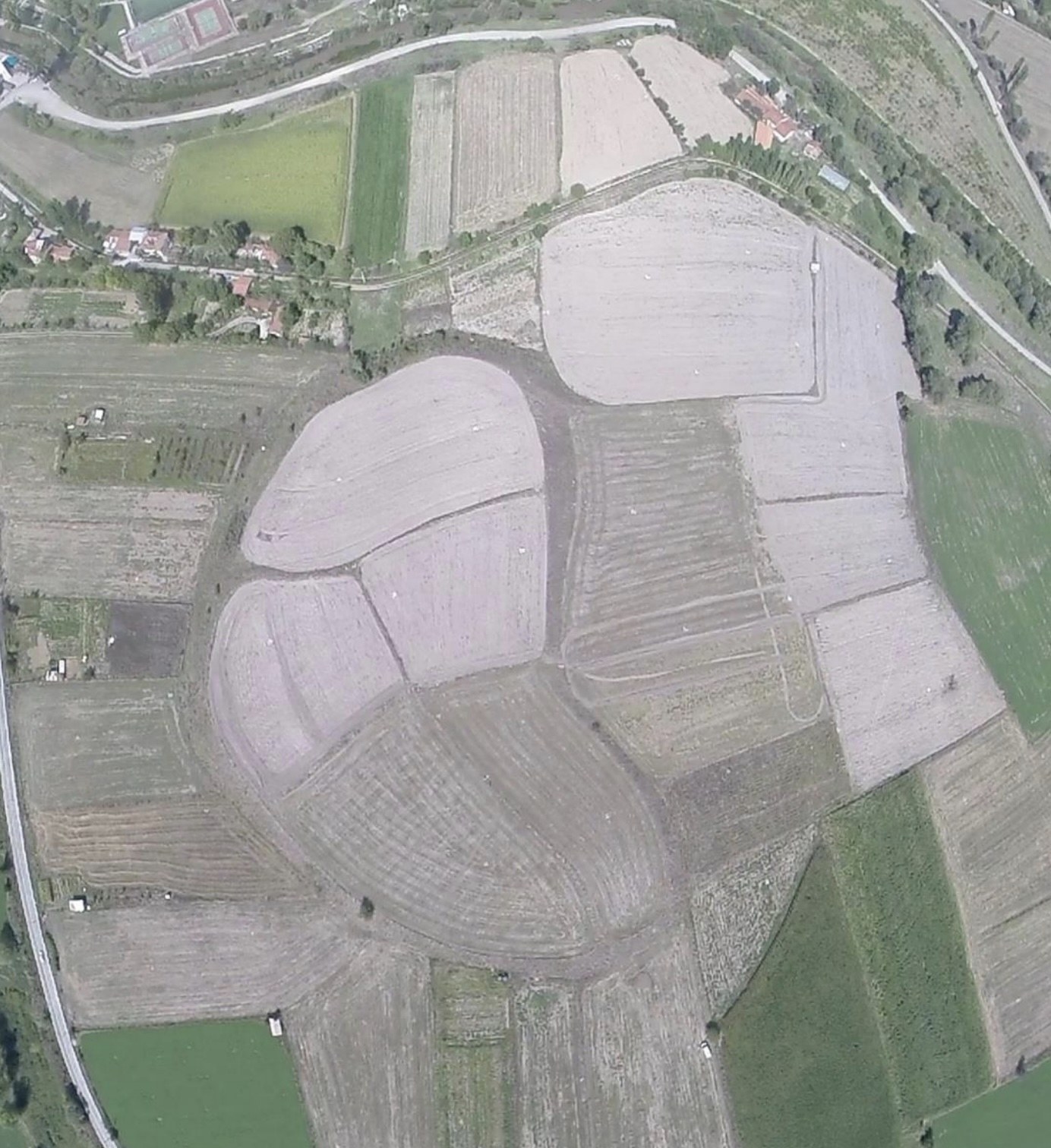
Tavşanlı Höyük lies in the Tavşanlı district of Kütahya. A höyük is a mound formed by layers of settlement built up over centuries. From the air, this one resembles a heart, as local reports often note.
The site is described as one of the largest Bronze Age cities in western Anatolia. Local residents quoted in the report said the find made them proud of the district’s long history.
The team has not announced a publication timeline for a full study of the brick. The excavation continues, and the report says each new find adds to the picture of the region’s past.
Source: SonDakika (İHA), NTV
Featured image: Erkan Fidan (article author; photographer not separately cre / Wikimedia Commons, CC BY 4.0