Ottoman Heritage in the Balkans: 13 Works Documented
Organisers say 11 months of work ended with 13 sites documented in six countries.
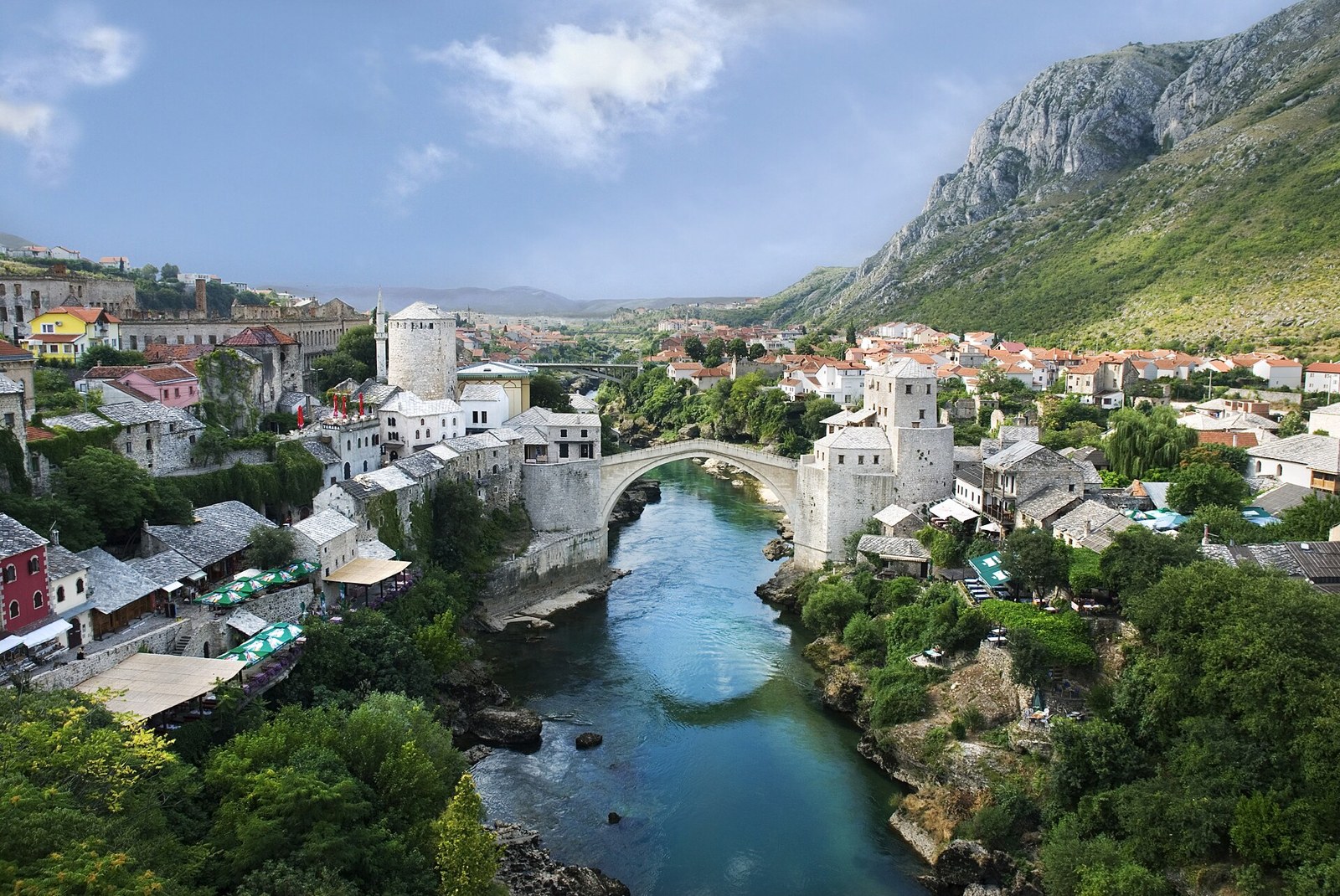
A Turkish research project has finished its fieldwork on Ottoman heritage in the Balkans. Organisers say that after 11 months of work, 13 historic structures and sites were inventoried and documented across the region. The material is meant to become a documentary and academic publications.
The project is called “Tarihin Sessiz Tanıkları” (“Silent Witnesses of History”). Its full title refers to the architecture, diplomacy and historical role of the Ottoman state (Devlet-i Aliyye) in the Balkans. Erzurum Metropolitan Municipality and the Erzurum Diplomacy Research Center Association (EDAM) organised it. The Interior Ministry’s Directorate General for Civil Society Relations supports it.
How the Ottoman heritage research was carried out
The work began in the archives. Researchers examined imperial decrees (fermans), covenants (ahitnames) and land and tax registers (tahrir defterleri) held in the Presidential State Archives.
Field research then took place from 14 to 22 October 2026. Teams worked in Bosnia and Herzegovina, Kosovo, North Macedonia, Montenegro, Albania and Serbia. They also visited the Turkish embassies in Sarajevo and Belgrade to present the project.
On 19 October, the anniversary of Alija Izzetbegović’s death, an international panel took place in Bosnia and Herzegovina. The Yunus Emre Institute’s Sarajevo office hosted it.
The 13 documented works
According to the report, the documented works are:
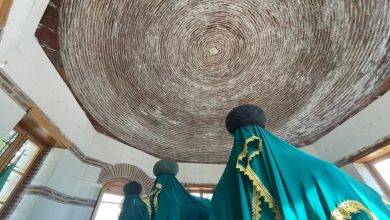
Bayraklı Mosque, Blagaj Tekke, Halveti Tekke, Sokollu Mehmed Pasha Bridge, Mostar Bridge, the Tomb of Murad I Hüdavendigar, Alaca Mosque, Morica Han, the Arasta Mosque minaret, the Stari Bar Clock Tower, Počitelj Fortress and Village, and the Gazi Husrev-beg Library and Madrasa.
A tekke is a dervish lodge, a han is a travellers’ inn, and a madrasa is a traditional school. Together the list covers worship, trade, travel, learning and defence.
Why the Pax Ottomanica framing matters
The organisers say they want to revive shared cultural memory and to explain the diplomatic foundations of what they call Pax Ottomanica, the “Ottoman Peace” model of justice and order. This is the project’s own framing. Historians debate how far that idea describes Ottoman rule in the Balkans, so readers should treat it as the organisers’ interpretation, not settled fact.
Some sites on the list are widely known. The Mostar Bridge, for example, was rebuilt after its destruction in 1993. Many structures in the region suffered damage from wars and political change over the centuries, which the organisers cite as a reason for documenting them.
Viewers of Ottoman-era dramas often see the empire only through palaces and battles. Projects like this one point to the surviving buildings and archives behind that history.
What comes next
The team says it has sorted its data, photographs and interviews using scientific methods. A documentary film script and academic publications are planned. No release dates or titles have been announced.
Source: SonDakika
Featured image: Ramirez / Wikimedia Commons, CC BY-SA 4.0